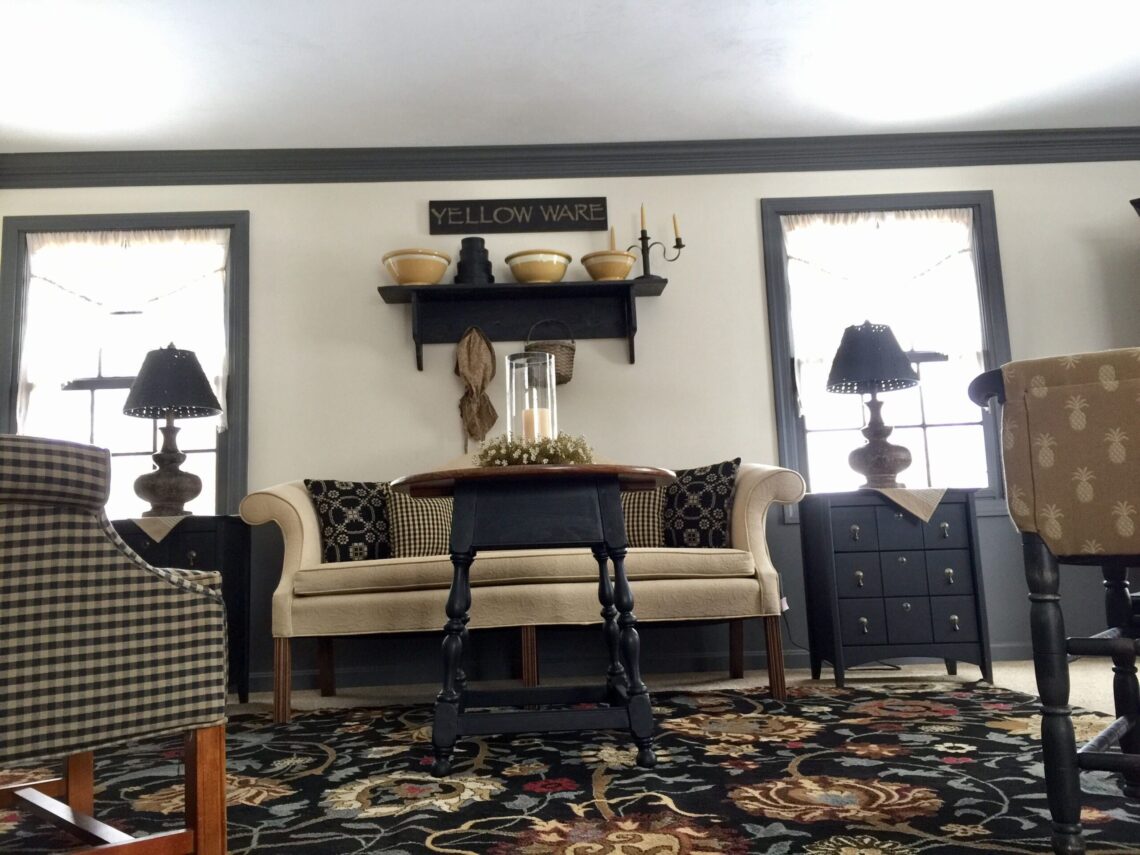
When you think of a primitive living room, you might imagine a simple, rustic space that feels both nostalgic and inviting. Primitive decor draws inspiration from early American and frontier homes, emphasizing natural materials, handcrafted details, and a connection to the past. Whether you live in a modern apartment or a countryside cottage, incorporating primitive living room ideas can infuse your space with warmth, character, and a sense of history. In this article, we’ll explore 15 ideas to help you achieve that cozy, rustic look.
1. Embrace Natural Wood Elements
Wood is the backbone of primitive design. Start with reclaimed or distressed wood for flooring, ceiling beams, or accent walls. A rough-hewn coffee table or end tables made from salvaged barn wood add authenticity. Look for pieces with visible grain, knots, and imperfections. If you don’t have real wood, consider wood-look laminate or vinyl with a textured finish. For furniture, opt for chunky, handcrafted pieces with a simple, utilitarian feel.
2. Choose Warm, Earthy Colors
Primitive living rooms rely on a palette inspired by nature. Think muted browns, deep reds, ochre yellows, sage greens, and slate blues. These colors evoke the outdoors and create a calming atmosphere. Paint walls in a soft cream or warm beige to serve as a neutral backdrop. Accent with braided rugs, plaid throws, and homespun textiles in these earthy hues. Avoid bright or modern colors—stick to tones that feel aged and timeworn.
3. Incorporate Antique and Vintage Finds
Authenticity is key in primitive decor. Scour flea markets, estate sales, and antique shops for genuine period pieces. Look for old milk cans, wooden buckets, iron cookware, and vintage farm tools. These items can be displayed as art or used functionally. An antique spinning wheel or a primitive hutch filled with stoneware adds instant character. Remember, the goal is to tell a story through objects that have lived a previous life.
4. Use Hand-Hewn Furniture
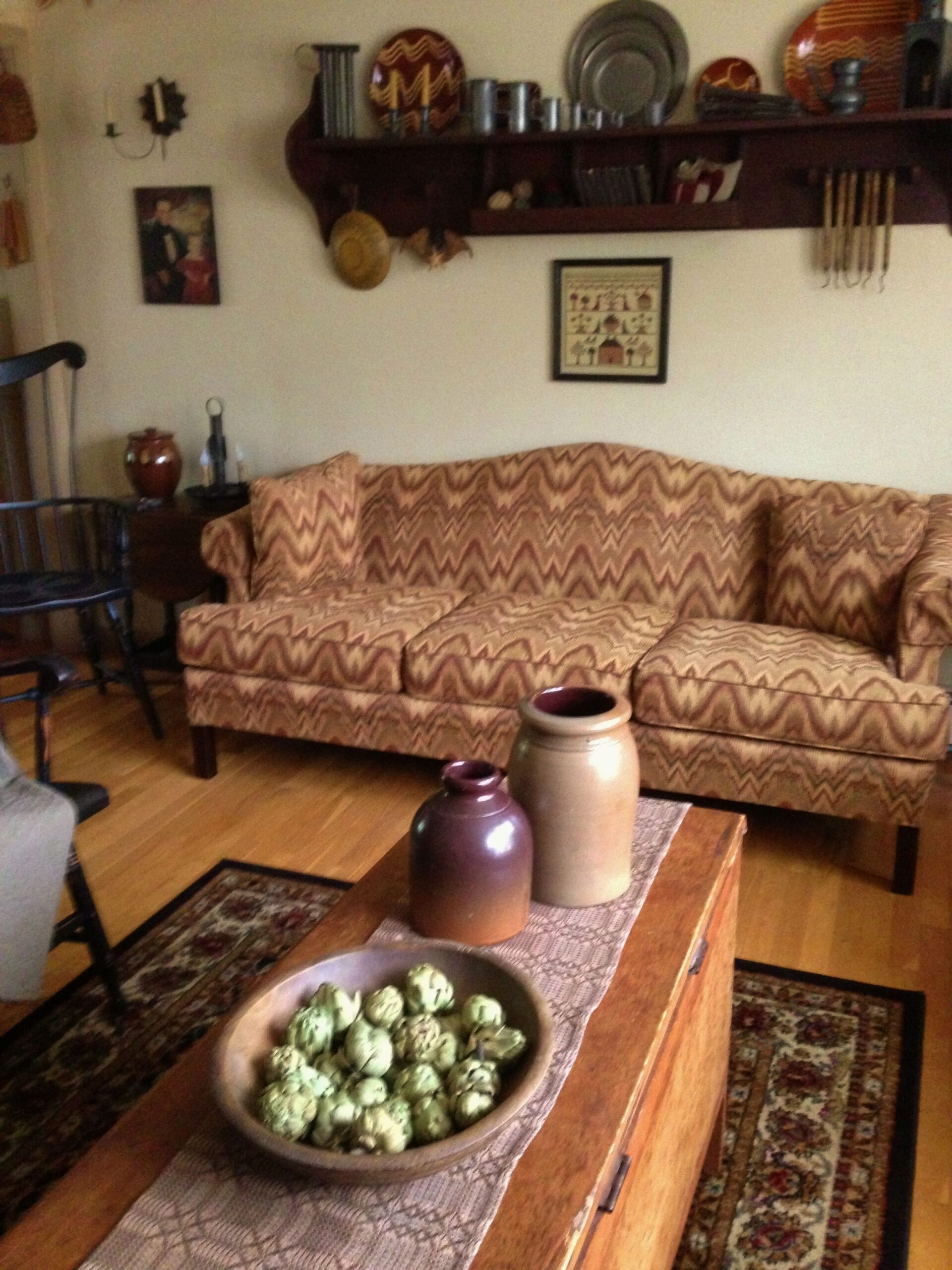
Furniture in a primitive living room should look sturdy and handmade. Instead of sleek modern sofas, choose a chunky farmhouse-style sofa or a settee with turned legs. A wooden rocking chair, a settle bench, or a trunk for storage all fit the aesthetic. Look for pieces with visible joinery and simple lines. Upholster in natural fabrics like linen, wool, or cotton ticking. Avoid shiny finishes—matte or waxed surfaces are more appropriate.
5. Layer Textiles for Texture
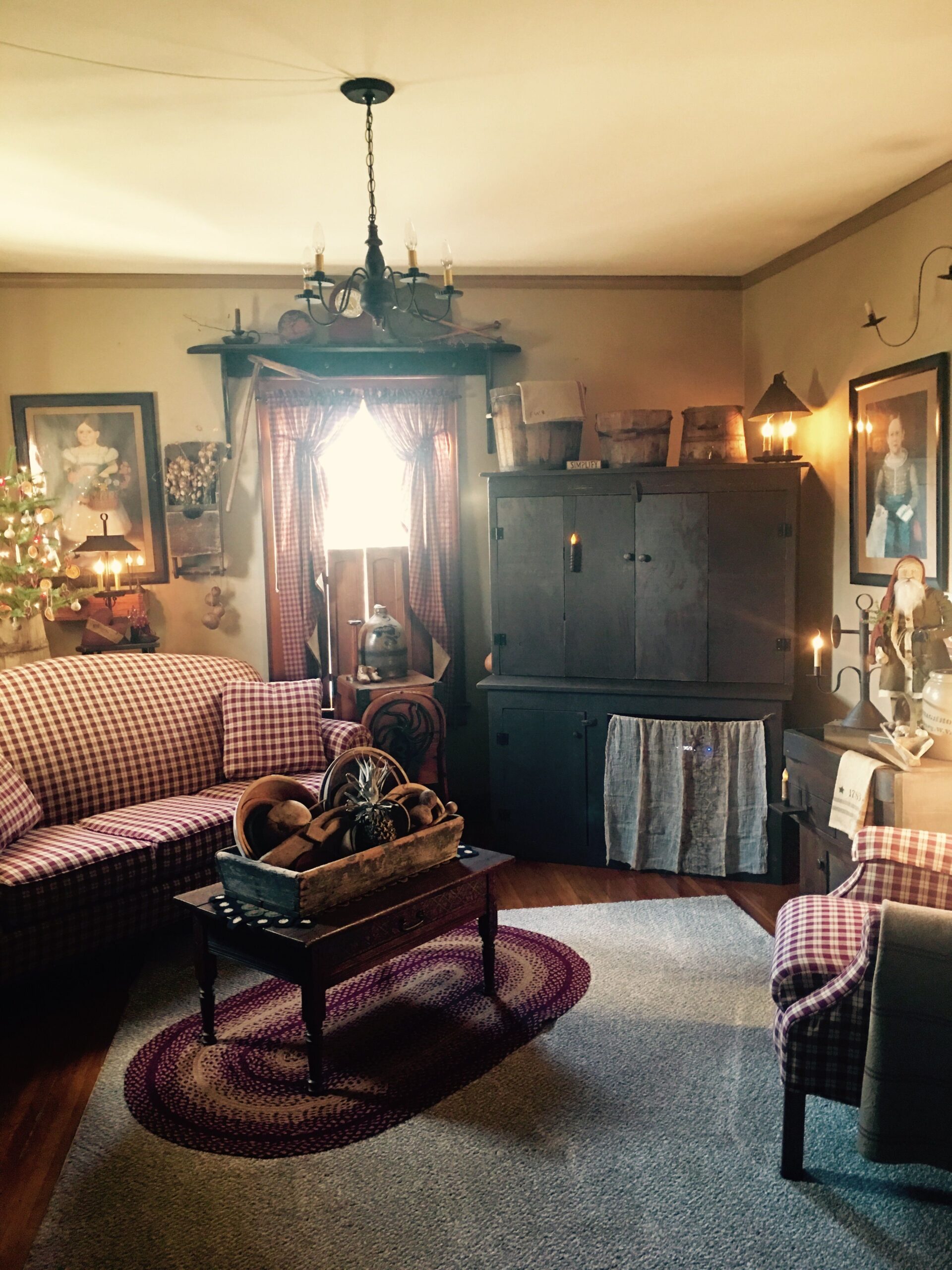
Primitive living rooms feel cozy because of the layers of fabric. Start with a braided wool rug on the floor—it adds color and warmth. Drape a quilt or a woven coverlet over the back of a sofa. Use linen or burlap curtains that hang loosely. Add throw pillows in ticking stripes or plaid patterns. A handmade rag rug or a hooked rug can serve as a wall hanging. The key is to mix textures: rough linen, smooth cotton, and chunky wool create visual interest.
6. Light with Warm, Ambient Glow
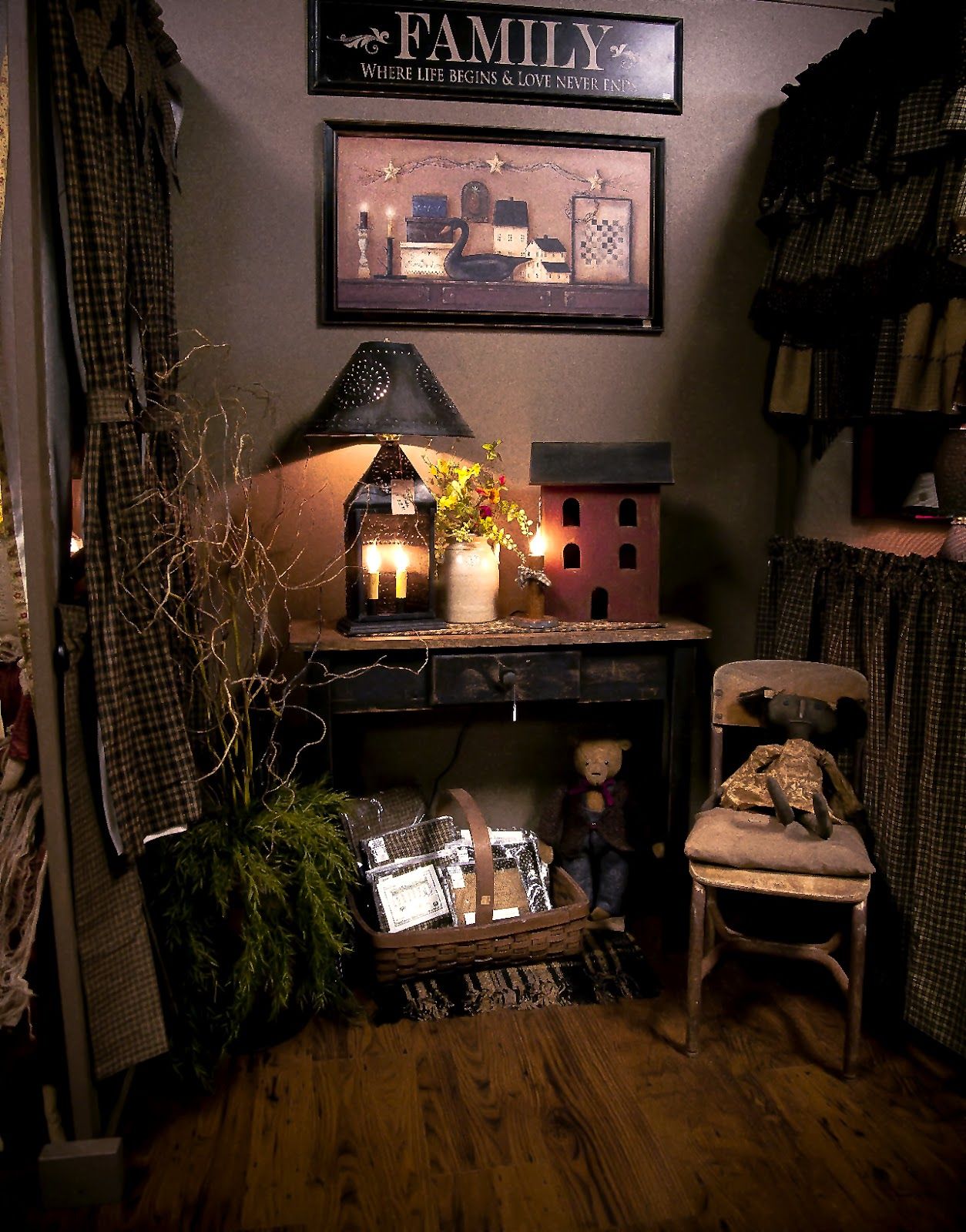
Lighting should be soft and reminiscent of candlelight. Avoid harsh overhead fixtures. Instead, use table lamps with mica or oil-rubbed bronze shades. A wrought-iron chandelier with candle sleeves is a classic choice. Place lanterns, either electric or real, on mantels and side tables. Consider using dimmer switches to control brightness. The goal is to create a warm, inviting glow that makes the room feel like a sanctuary.
7. Display Primitive Kitchenware and Tools
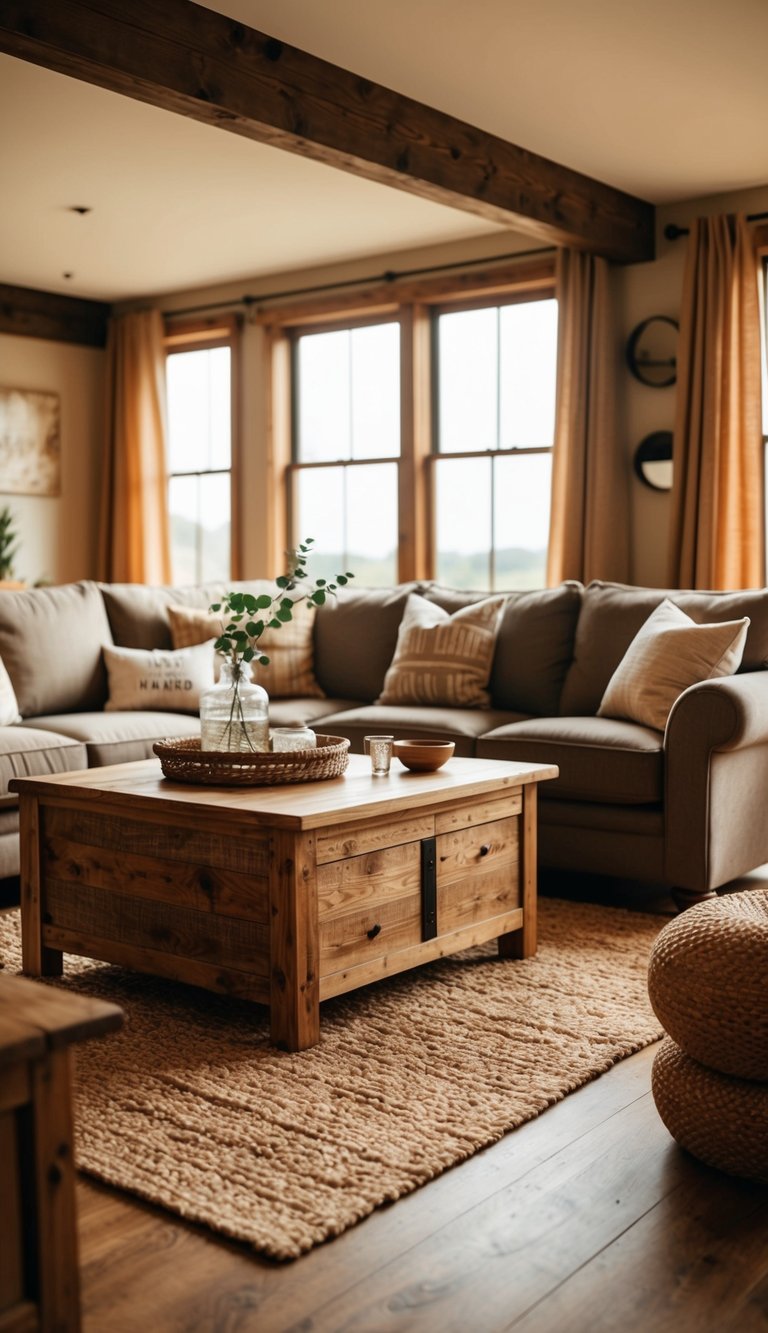
Your living room can borrow elements from the primitive kitchen. Open shelving or a cupboard can display stoneware crocks, wooden bowls, and pewter plates. Old cooking utensils, like a wooden spoon or a ladle, can be hung on the wall. A butter churn or a cheese press makes an interesting decorative piece. These items not only look charming but also serve as conversation starters.
8. Add a Stone or Brick Fireplace
Nothing says primitive like a stone or brick fireplace. If you don’t have one, consider adding a faux stone veneer or a mantel made from reclaimed wood. A simple hearth with a cast-iron pot or a collection of logs reinforces the rustic feel. In summer, fill the fireplace with candles or a basket of pinecones. The fireplace becomes the focal point, especially when surrounded by primitive decor like an old clock or a hand-painted sign.
9. Incorporate Natural Materials Beyond Wood
Wood isn’t the only natural material that works. Use stone, slate, clay, and even animal hides. A slate-topped table adds texture. A clay pot filled with dried flowers or branches brings the outdoors in. Sheepskin or cowhide rugs can lie over hardwood floors. Incorporate woven baskets for storage; they look great and are functional. These materials age gracefully and add to the organic feel.
10. Keep the Layout Simple and Functional
Primitive living rooms are not cluttered. Arrange furniture in a way that encourages conversation and comfort. Place seating around the fireplace or a central coffee table. Avoid too many pieces—a few well-chosen items are better than a crowd. Leave open floor space for movement. The simplicity of the layout allows each piece to stand out.
11. Create a Gallery Wall with Primitive Art
Adorn your walls with primitive-style art. Look for folk art paintings, silhouettes, or embroidered samplers. Frames should be simple wood or black metal. You can also frame old maps, botanical prints, or pages from vintage books. Arrange them in a grid or a loose cluster. Another idea: hang a collection of antique spoons, keys, or tools on a pegboard. This adds personality without feeling too curated.
12. Use Symmetry and Balance
Primitive decor often employs symmetry to create a calm, orderly space. Place matching candlesticks on the mantel, two identical armchairs flanking the fireplace, or a pair of end tables with lamps. However, don’t force it—imperfection is also welcome. The balance should feel natural, not rigid. A centered sofa with two side tables is a classic setup.
13. Incorporate Live Plants and Dried Arrangements
Plants bring life to a primitive living room. Choose hardy varieties like ferns, ivy, or succulents in clay pots. Dried flowers, wheat sheaves, or eucalyptus bundles are perfect for adding rustic charm. Place a large arrangement in a crock on the floor or a small bunch on a side table. Greenery softens the hard lines of wood and stone.
14. Pay Attention to Small Details
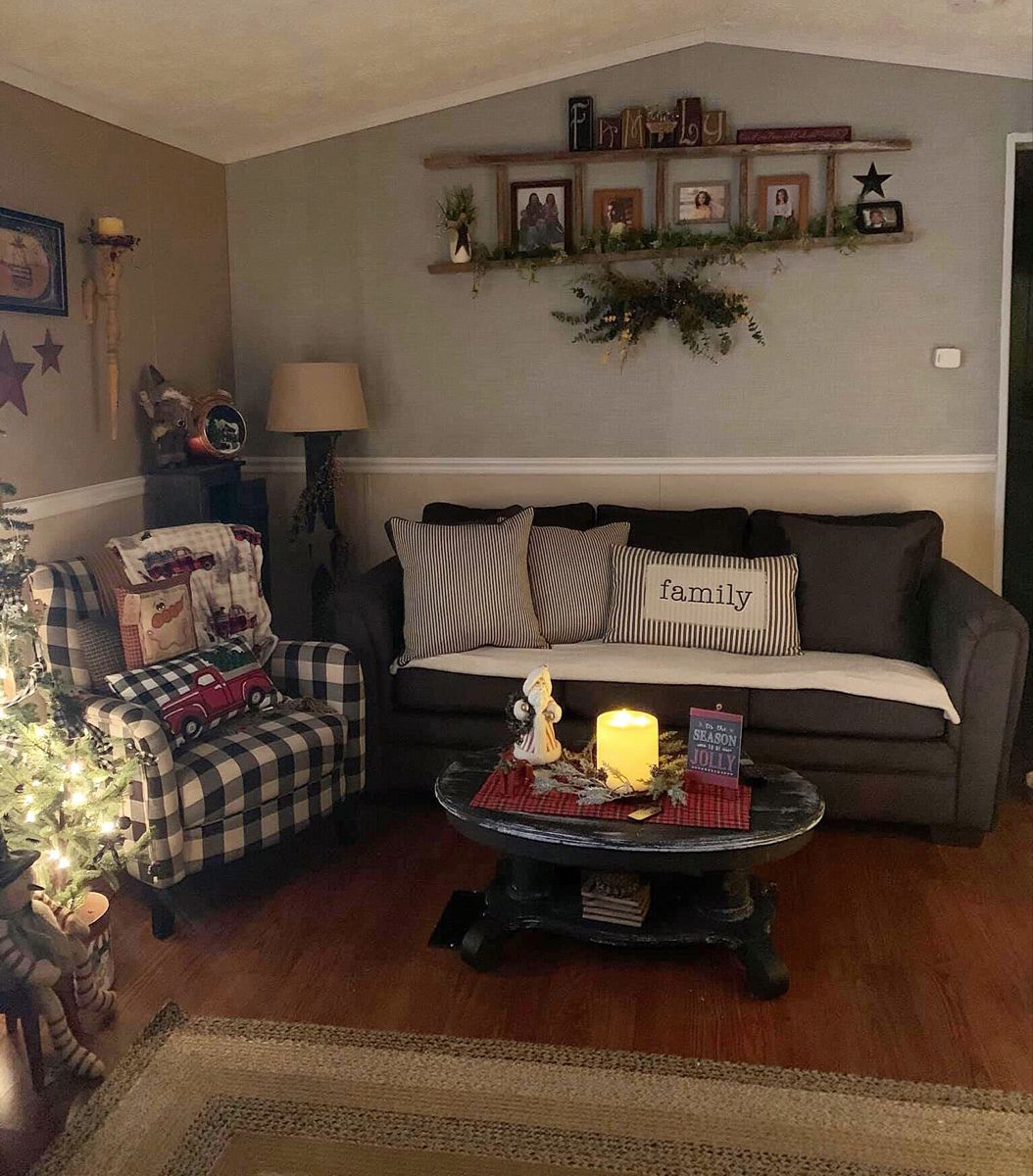
Details make the difference. Use wooden pegs for hanging coats or hats. Install a primitive-style door latch or hinges. Add a rustic sign with a folk saying. Keep a stack of vintage books on the coffee table. An old-fashioned wind-up clock can sit on the mantel. These small touches contribute to the overall atmosphere and remind you of simpler times.
15. Let Patina and Age Show
Don’t be afraid of wear and tear. A scratched table top, a chipped dish, or faded fabric adds authenticity. New furniture can be distressed with paint or sandpaper. The primitive aesthetic celebrates the beauty of age. Embrace imperfections—they tell a story and make your living room feel genuinely lived-in.
Frequently Asked Questions
What is primitive decor?
Primitive decor is a style that emulates the rustic, simple, and functional aesthetic of early American and frontier homes. It emphasizes natural materials, handmade items, and a connection to history.
How is primitive different from farmhouse style?
While both share rustic elements, primitive decor is more rough-hewn and focused on early, handmade objects, often with a darker, more aged look. Farmhouse style is lighter, often incorporating more modern comforts and shiplap.
Can I mix primitive with other styles?
Yes, primitive decor blends well with cottage, rustic, and even modern spaces. To mix, use primitive accents like baskets, stoneware, or woven textiles against a neutral modern background.
Where can I find primitive decor items?
Look at flea markets, antique stores, and estate sales. Online marketplaces like Etsy and eBay also offer vintage and handmade primitive pieces. You can also DIY with reclaimed materials.
How do I make a small living room look primitive?
Focus on a few key pieces—a wood coffee table, a braided rug, and a primitive cupboard for storage. Use warm lighting and keep colors muted. Avoid clutter; let each piece stand out.
Primitive living room ideas are all about creating a space that feels cozy, authentic, and connected to the past. By incorporating natural materials, antique finds, and handmade touches, you can transform your living room into a warm and inviting retreat. Start with one or two elements—like a reclaimed wood table or a vintage quilt—and build from there. The beauty of primitive decor lies in its simplicity and imperfections, so don’t overthink it. Let your space evolve naturally, and enjoy the process of making it your own.