The 2004 Pontiac Grand Prix is a popular model known for its performance and reliability. However, like any vehicle, it can experience electrical issues, particularly with the ignition switch. Understanding the ignition switch wiring diagram is crucial for diagnosing problems and ensuring a proper installation. In this comprehensive guide, we will decode the wiring diagram, explain the functions of the key components, provide step-by-step installation instructions, and offer troubleshooting tips.
Understanding the Ignition Switch Wiring Diagram
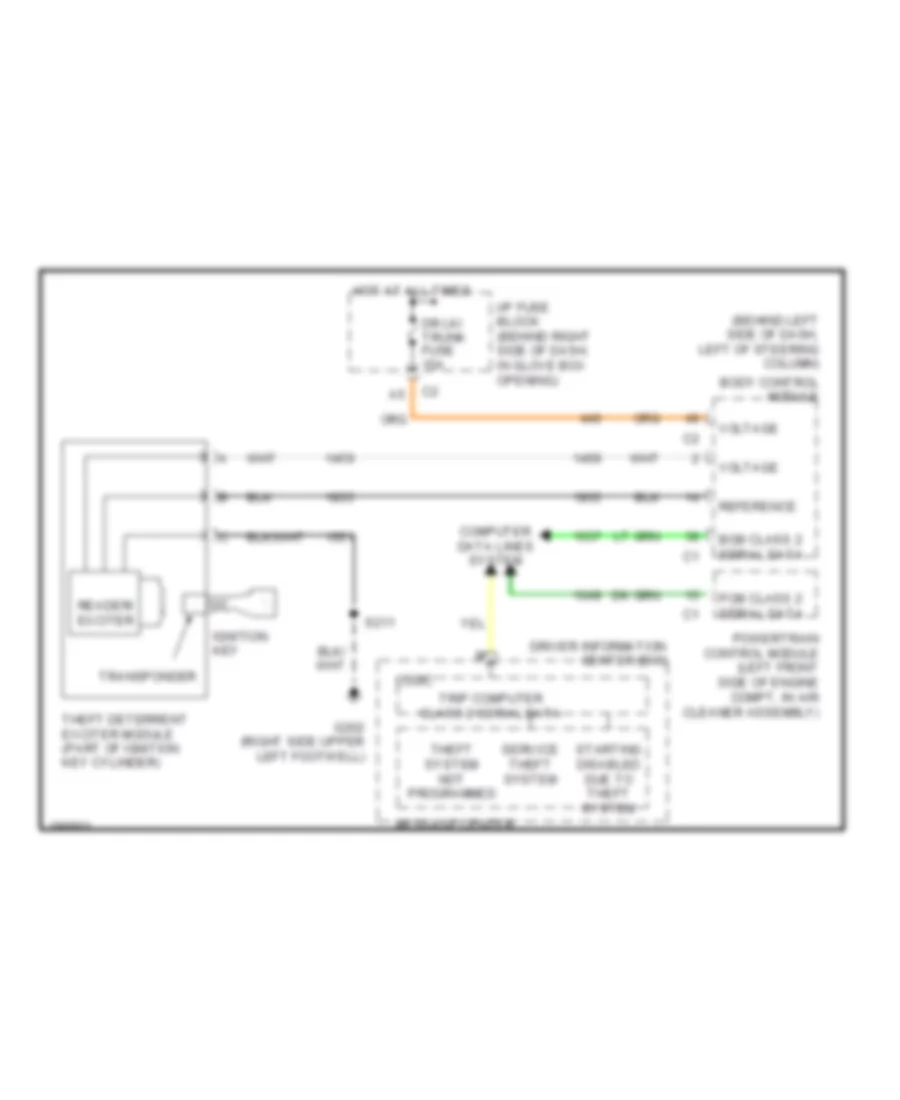
The ignition switch wiring diagram for the 2004 Pontiac Grand Prix illustrates how power flows through the ignition system. It consists of various components that work together to start the engine and power other electrical systems within the vehicle. The main components include the ignition switch, battery, starter relay, and various fuses.
The ignition switch’s primary role is to control the power to the vehicle’s electrical systems. It connects the battery to the ignition system and other circuits when turned on. Understanding how these components interact is essential for troubleshooting and repair.
Key Components of the Ignition System
- Ignition Switch: The central control point that, when turned, allows current to flow to the ignition system.
- Battery: Provides the initial electrical power needed to start the vehicle.
- Starter Relay: Acts as a switch to engage the starter motor when the ignition switch is activated.
- Fuses: Protect the electrical circuits from overload by breaking the connection if the current exceeds a certain level.
Each component plays a vital role in ensuring that the ignition system functions correctly. If any component fails, it could lead to starting issues or other electrical problems.
Steps for Wiring the Ignition Switch
To install the ignition switch correctly, it’s crucial to follow a systematic approach. Here is a safe and effective step-by-step guide:
- Preparation: Before starting, ensure the vehicle’s power is off. Disconnect the battery to prevent any electrical hazards.
- Locate the Ignition Switch: The ignition switch is usually located on the steering column or dash, depending on the vehicle’s configuration.
- Inspect the Wiring: Check the existing wires for any signs of damage or corrosion. Replace any damaged wiring to ensure a reliable connection.
- Connect the Wires: Refer to the wiring diagram to connect the wires correctly. Typically, you will connect the power wire from the battery to the switch, the starter wire to the relay, and any accessory wires as indicated.
- Secure Connections: Use electrical tape or heat shrink tubing to secure the connections. This will help prevent moisture and corrosion from affecting the wiring.
- Reinstall the Ignition Switch: Once the wiring is complete, reinstall the ignition switch back into its housing.
- Reconnect the Battery: Reconnect the battery and test the ignition system to ensure it functions correctly.
Following these steps carefully will help ensure that the ignition switch is wired correctly and functions as intended.
Troubleshooting Common Issues
If you experience issues with the ignition system after installation, several common problems may be at play:
- No Power: If the vehicle does not power on, check the battery connections and fuses. A blown fuse may prevent power from reaching the ignition switch.
- Engine Won’t Start: If the engine doesn’t start, the ignition switch might be faulty, or there could be an issue with the starter relay. Test the relay to ensure it functions correctly.
- Electrical Shorts: Inspect all wiring for signs of shorts or corrosion. Damaged wires can cause short circuits, leading to intermittent electrical issues.
If troubleshooting does not resolve the problem, consulting a professional mechanic may be necessary to diagnose deeper electrical issues.
Safety Precautions When Working on the Ignition System
Working with the electrical system of any vehicle carries certain risks. Here are essential safety precautions to follow:
- Disconnect the Battery: Always disconnect the battery before starting any work on the ignition system to prevent electrical shocks or shorts.
- Use Insulated Tools: Employ insulated tools to protect yourself from accidental electrical contact.
- Avoid Moisture: Ensure that the work area is dry and free from moisture to prevent electrical hazards.
- Wear Safety Gear: Use safety glasses and gloves to protect against any electrical sparks or debris.
By following these safety measures, you can minimize risks and work more effectively on your vehicle’s ignition system.
Understanding the ignition switch wiring diagram for the 2004 Pontiac Grand Prix is essential for anyone looking to troubleshoot or repair the ignition system. With the right knowledge and careful attention to detail, you can effectively manage common electrical issues and keep your vehicle running smoothly.